Your Rights During Police Interrogation in Washington State
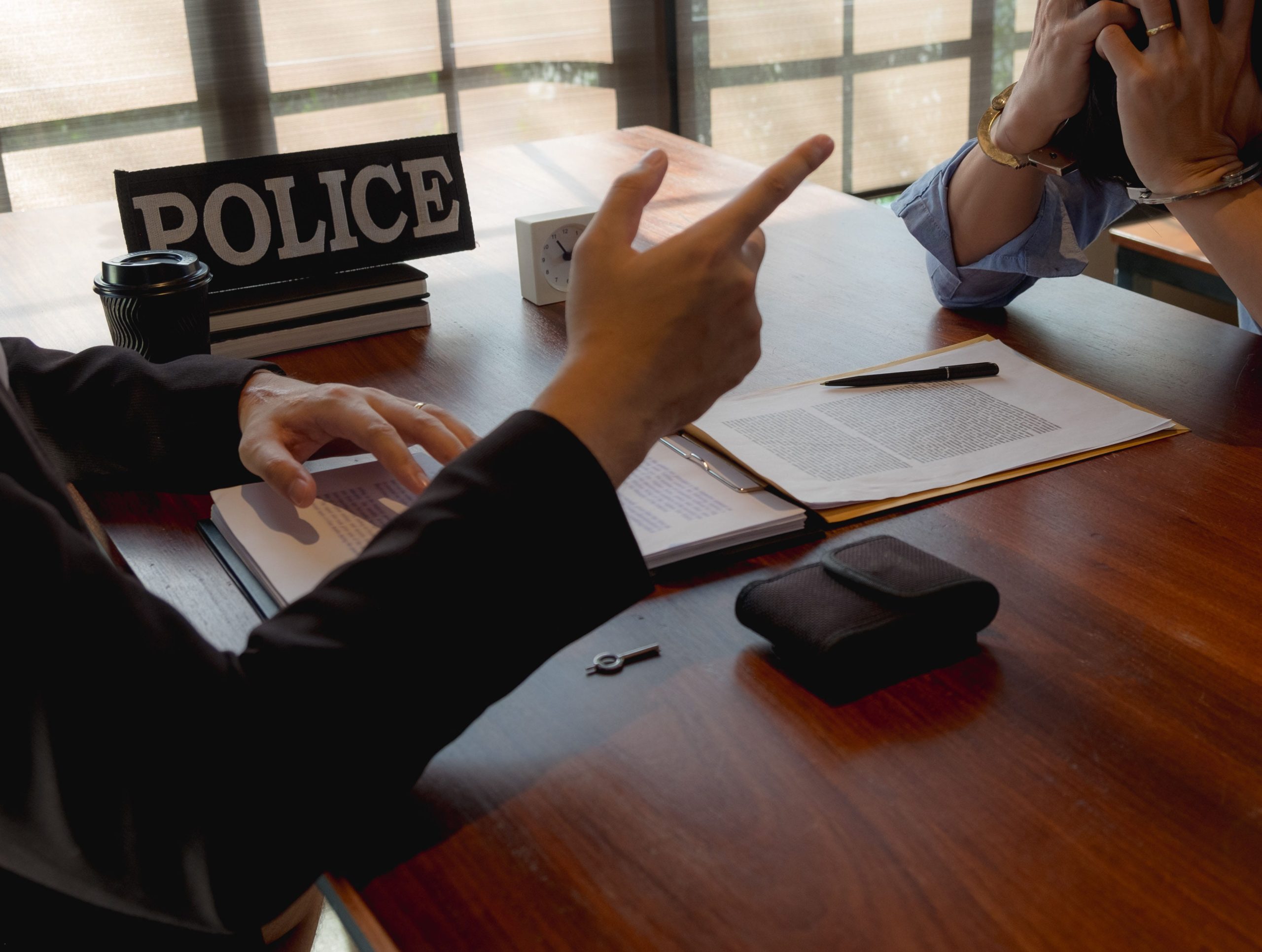
Facing questions from police might feel uneasy, particularly when unclear about what you’re allowed to say. What comes out of your mouth during such moments matters – it could lead somewhere uncomfortable, whether you think you’ve done nothing wrong or not. Knowing how laws work in Washington, along with national rules, helps keep things on safer ground while staying within boundaries others may overlook. When things get tricky, people can count on the Law Office of Erin Bradley McAleer standing by their side. Facing a criminal inquiry? That is where clarity matters most. Rights aren’t just claimed – they’re protected, one step at a time. Confidence grows not through promises, but by how smoothly cases move forward.
What Is a Police Interrogation?
A person might face questions from officers if suspicion links them to wrongdoing. Such moments unfold inside stations, on roadside stops, sometimes even at home. Friendliness could mask the intent behind the chat – gathering details that later support charges. Figuring out if a chat has turned into something closer to a questioning session matters right from the start for your protection.
Your Right to Remain Silent
When it comes to speaking during legal proceedings, the Fifth Amendment gives people the chance to stay quiet. In Washington, providing only basic details like name or date of birth is allowed under certain conditions. Questions about crimes you might have committed? You’re free to remain silent on those. That silence? It cannot be used against someone later in court.
When wanting to protect your silence, say so outright. Staying quiet on its own might not shield you legally if no claim is made. Asserting the choice to stay silent works better than remaining silent by chance.
Your Right to an Attorney
Besides having a lawyer help when needed, you can ask to talk with one before replying to questions. If you want a lawyer there during talks, the police need to pause them right then. That stop happens no matter what – your status before being taken into custody doesn’t change it. With that request made, officers cannot continue questioning you until your attorney shows up.
When you bring in a lawyer, it helps guard what’s yours while keeping things clear so nothing gets twisted or turned back on you.
Miranda Rights in Washington
When someone is being questioned while detained, authorities must say they have the right to stay quiet and ask for a lawyer. Failing to clearly explain these rights could lead a court to question or even remove any answers given under pressure.
Still, some police questions don’t need Miranda alerts. That’s why knowing if you’re under arrest matters – also when to speak up about your rights.
Can Police Lie During an Interrogation?
That’s right. In places like Washington, police often employ lies when questioning people. Like elsewhere across the country, trickery fits into standard methods. False statements about proof, people on the witness list, even others charged – are common. The goal? Pushing suspects to speak or admit guilt. Tactics like these aim to build pressure behind closed doors. With a lawyer involved, chances are lower that people will take unfair advantage. Protection comes when legal representation shares part in decisions.
When you speak, those words might later work against you.
What you tell police might later become proof, no matter how small or careless your words. A quick comment, made without thinking, could twist into something bigger by those listening. Because meaning shifts so easily, staying quiet until a lawyer – one aware of how laws work here in Washington – is involved tends to protect you best.
What to Do If You Are Being Questioned
When spoken to by police, stay quiet and keep your composure. You may check if leaving is allowed. Should exit blocked, say nothing more and demand a lawyer. Say what you mean about your situation, yet stop here without a lawyer.
Why Legal Representation Matters
When police question someone, it shapes what happens next. A tough call at this point might change everything. If things go wrong, having a lawyer who knows the system could help. They may guide how you answer questions while safeguarding core freedoms. Sometimes, that means keeping words off record so outcomes shift in favor of fairness.
When to Contact a Washington Criminal Defense Attorney
When police question you, think others might be watching, or face an arrest – talk to a lawyer right away. Getting help fast could change what happens next in your case. At the Law Office of Erin Bradley McAleer, people across Washington receive solid defense for crime charges, fighting hard from start to finish.