What Is a Subpoena? Understanding Subpoenas in Washington
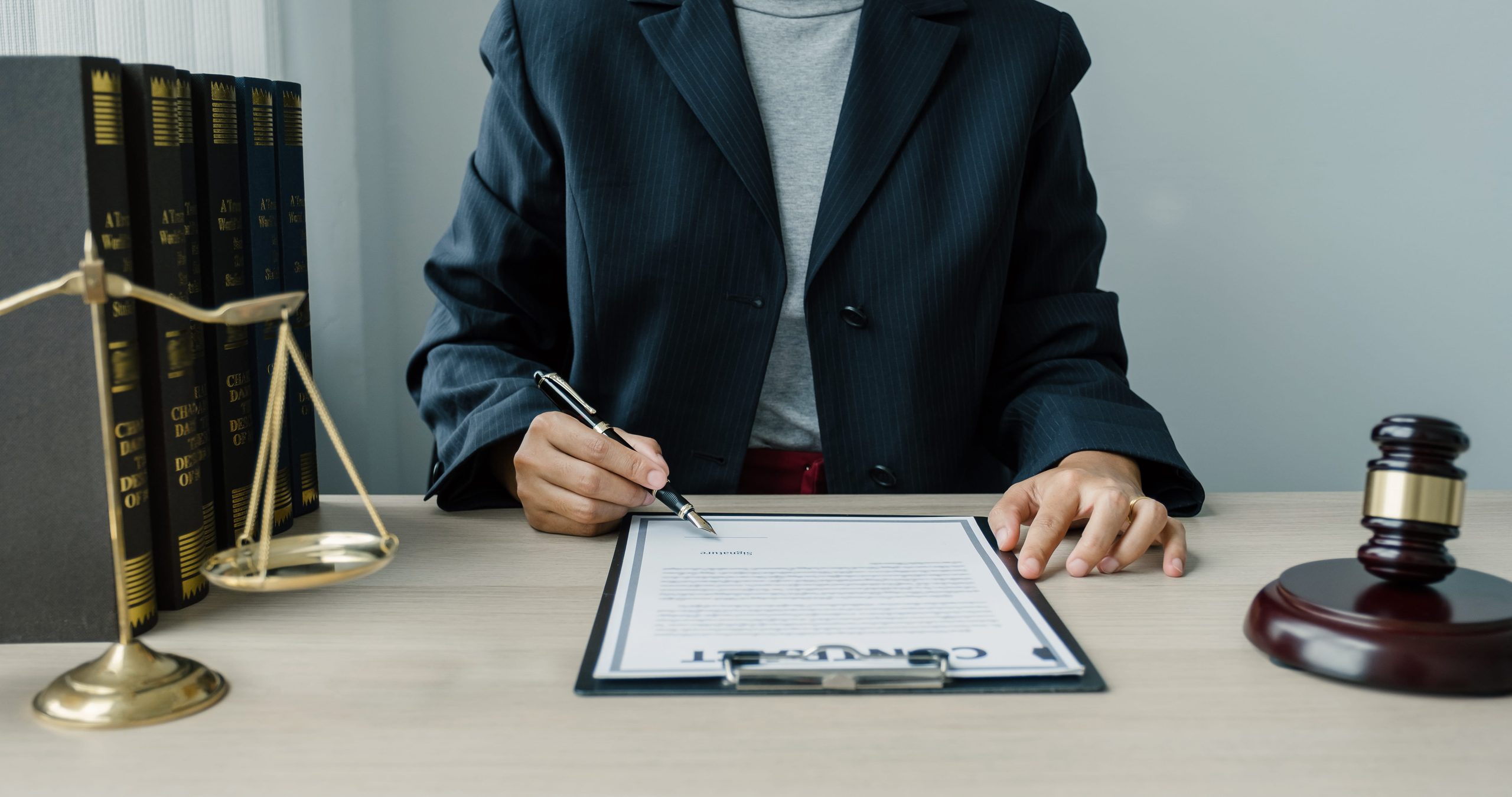
A subpoena is a legal document which mandates action related to a court case. Such documents can require an individual’s physical appearance or demand the production of information and/or documentation, amongst other things.
If you are served with a subpoena, remember that it can create an obligation on your part to appear or to produce information requested by the subpoena. Therefore, you should not ignore a subpoena.
Subpoenas in Washington criminal cases are governed by Superior Court Criminal Rule 4.8. Rule 4.8 outlines the procedures for issuance and service of a subpoena as well as the content required by a subpoena to require testimony or the production of evidence.
What Does a Subpoena Mean?
In simple terms, a subpoena is a formal legal demand to appear, to testify, to bring documents or to allow the inspection of evidence or property.
It can require you to:
- Appear at a specific hearing or trial
- Give testimony as a witness
- Produce documents or records
- Provide electronically stored information
- Allow inspection of certain evidence or property
- Appear and bring specific documents or other evidence
Note that a subpoena is a much more formal document than a mere request to appear. It demands your respect!
Why Are Subpoenas Used in Criminal Cases?
Both the prosecution and the defense need witnesses and evidence to prove their position in a criminal case.
For example, a criminal defense attorney may subpoena:
- An eyewitness
- A police officer
- A medical professional
- An employer
- A records custodian
- A forensic expert
- A person who has relevant information about the case.
They can also issue a subpoena to get evidence that they believe will help them win their case.
Additionally, Washington law permits witnesses for the state or defendant in a criminal prosecution to be compelled to attend and testify as a proper subpoenaed witness.
What Are the Different Types of Subpoenas?
Not every subpoena serves the same purpose.
Subpoena for Testimony
This type of Subpoena requires the person to appear at a specified time and place to give testimony on their behalf.
Subpoenas for testifying also must include the above information. Therefore, the form for a subpoena for testifying would read as follows: Case Title _________________________________________
Subpoena for Documents or Evidence
A subpoena can be used to demand the production of documents, such as business records, employment records, and medical records. Other examples of items that can be demanded to be produced include: photographs, videos, electronic records, and written or verbal communications. Other items of tangible nature can also be demanded to be produced as part of a case.
For example, a subpoena may request:
- Business records
- Employment records
- Medical records
- Photographs
- Videos
- Electronic records
- Communications
- Other evidence relevant to the case
A subpoena for production may issue independently of a subpoena for testimony, or in conjunction therewith.
Subpoena for Testimony and Documents
At times the same person is required to appear and produce evidence.
This can mean that the witness is required to appear at the trial or hearing, as well as to bring specific documents and evidence to the proceeding. For example, a witness might be subpoenaed to appear at trial and bring certain medical records or other employment records to the proceeding.
Who Can Issue a Subpoena in Washington?
Washington criminal cases are conducted as part of a superior court criminal case and subpoenas are issued by the court or the attorney for a party in a criminal case pursuant to the applicable criminal rules of practice.
Subpoenas in superior court criminal cases are typically issued by the attorney of record for a party in a case. Subpoenas can also be issued by the court in a superior court criminal case.
Note that the procedure for issuing a subpoena varies by type of case and court.
How Is a Subpoena Served?
Washington’s criminal rules provide specific methods for serving a subpoena to require testimony.
For example, service of a subpoena requiring the appearance of a witness at trial for testimony may be made by giving the witness a copy of the subpoena, or by leaving a copy of the subpoena at the residence of the witness with a person of suitable age and discretion residing there. Service by first-class mail is also permitted when accompanied by a waiver of personal service and in certain other circumstances.
These details are important because issues with service can be significant to determine the enforceability of a subpoena.
What Should You Do If You Receive a Subpoena?
Read your subpoena carefully.
Check:
- Who issued the subpoena?
- What case does it concern?
- What court is involved?
- When and where must you appear?
- Does it require testimony?
- Does it require documents or other evidence?
- What deadlines apply?
Keep the original subpoena along with any other documents that were served with it.
It is best to consult with an attorney if you are unclear as to your obligations under a subpoena.
Do You Have to Obey a Subpoena?
Conducting itself properly, a served subpoena creates a legal obligation for compliance by the recipient.
You are not without rights and it is possible to challenge a subpoena or to seek protection from its demands. Often an objection to a request for information or documents can be sufficient to comply with a subpoena.
Remember, merely receiving a Subpoena does not mean you must automatically comply with the document requests contained within it.
An attorney can review the subpoena with you to determine what your legal options are.
What Happens If You Ignore a Subpoena?
Ignoring a subpoena can create serious legal problems.
Note also that failing to comply with a subpoena in due course can lead to enforcement in the issuing court or other actions as applicable.
Washington law provides unique methods to force attendance and testimony in criminal matters.
If unable to comply with a subpoena, contact an attorney immediately. Such a situation needs to be dealt with in a timely and proper manner.
Can You Challenge a Subpoena?
In some situations, a subpoena can be challenged.
The ways in which a subpoena can be challenged depend upon several factors, including the nature of the documents or information requested and the reasons why the subpoena would be considered to be improper.
Potential issues can include:
- The subpoena requests information that is not relevant
- The request is overly broad
- The subpoena creates an unreasonable burden
- The subpoena was not properly served
- The requested information is protected by a legal privilege
- The subpoena raises constitutional concerns
- The information which is sought to be produced by the subpoena cannot be disclosed by you in accordance with law.
Note that the rules and procedures for opposing a subpoena can vary greatly from court to another and from case to another.
What If a Subpoena Requests Confidential Information?
A subpoena does not eliminate privacy interests or rights to claims of privilege.
Some information is additionally protected by Washington statute or by rule.
For example: privacy rights, attorney-client privilege, medical confidentiality, etc.
Speak with an attorney prior to producing sensitive or confidential information when requested by a subpoena.
Does Receiving a Subpoena Mean You Are in Trouble?
Not necessarily.
This is one of the most important things to understand.
Receiving a Subpoena Does Not Mean You Are a Suspect!
You may receive a subpoena because you are:
- An eyewitness
- A victim
- A records custodian
- An expert
- A professional with relevant information
- A person who possesses potentially relevant evidence
However, if you are the subject of the allegations in question, or you believe that responding to a subpoena for information could lead to your own criminal prosecution, you should seek legal advice before responding.
Can a Criminal Defense Attorney Help With a Subpoena?
Yes.
The criminal defense attorney can review the subpoena with you and let you know what is required of you and what your legal options are.
Depending on the facts and circumstances of the case, the criminal defense attorney can assist with the following:
- Reviewing the subpoena
- Determining whether service was proper
- Identifying relevant deadlines
- Preparing a witness for testimony
- Reviewing requested documents
- Protecting privileged information
- Challenging inappropriate requests
- Preparing objections or motions when appropriate
- Representing a person’s interests in the proceeding
Whether or not to subpoena witnesses or evidence to aid your defense is another matter that your attorney can explore for you as the defendant in a suit.
What Is the Difference Between a Subpoena and a Warrant?
A subpoena and a warrant serve different purposes.
A subpoena usually requires a person’s appearance, testimony or production of documents and/or items for evidence at a hearing or trial.
A warrant on the other hand authorizes some action such as an arrest or search and seizure. To issue a warrant there must be sufficient evidence to support the issuance of the warrant.
The two documents should not be confused.
What Is a Subpoena Duces Tecum?
You may also hear the term subpoena duces tecum.
Typically, a subpoena Duces Tecum is a Subpoena to Produce Documents, Information or Material.
In practice, all that a subpoena needs to do is set out what documents and/or information the person required to attend will be expected to provide.
Likely contained in the document issued as a subpoena are the materials you are required to bring with you, and how you are to bring them.
Can a Subpoena Require You to Testify at Trial?
Yes.
A subpoena can require a witness to appear at a criminal trial and provide testimony.
Under Washington’s criminal rules, a subpoena for testimony would identify the case and “command” the witness to attend and give testimony at a specified time and place.
While testifying, you remain under the control of the court where your testimony is taken.
Is it possible for you to be outside of Washington when served with a Subpoena?
While it is possible for a citizen living outside of Washington to receive a subpoena issued by a Washington court, the procedure for such a subpoena issued from outside of Washington jurisdiction would likely be much more complex.
Washington has established procedures for handling subpoenas issued from other jurisdictions. These procedures are generally based on the location of the witness and where the case is pending.
An out-of-state subpoena does not necessarily mean it is invalid or cannot be enforced. It is wise to have an attorney look over the subpoena.
What If You Are Subpoenaed in a Criminal Case?
The first step is to understand your role.
Ask:
- Am I a witness?
- Am I the defendant?
- Am I a victim?
- What information does the subpoena seek?
- Do I have to appear personally?
- Do I have to bring documents?
- Could my testimony expose me to criminal charges?
Your answers to these questions will define how you should proceed with a criminal case subpoena.
If you are the defendant in a criminal case, discuss the subpoena with your attorney before complying. On the other hand, if you are a witness who will be testifying in a case in which you are charged with a crime and fear that your testimony will subject you to criminal liability, you should seek the advice of independent counsel.
What Should You Do Before Testifying?
If you must testify, preparation matters.
You should understand:
- The date and location of the proceeding
- The subject of your testimony
- What documents you were ordered to bring
- Whether you have legal representation
- Whether you have any applicable privileges or legal protections
Do not guess when answering questions. Answer truthfully and carefully.
Answer the questions to the best of your knowledge and do not make anything up if you are unsure of an answer. It is generally better to admit that you do not know the answer to a question than to speculate.
Can a Lawyer Help You Prepare for a Subpoena?
Yes.
An attorney can also explain the process and the rights and obligations of a witness.
It is especially important that your interests are represented and protected when your testimony or your documents could incur harm to your interests.
Contacting an attorney prior to your appearance will help ensure that your involvement in the proceeding does not have any adverse consequences to your case.
What If You Need to Subpoena Someone for Your Defense?
Need someone else’s testimony or evidence to prove your defense?
A strong defense attorney can help identify relevant witnesses, in addition to identifying other relevant evidence in a case, and can issue a subpoena when appropriate.
For example, the testimony of someone who can establish an alibi, someone with relevant records, or someone with specialized knowledge to challenge the prosecution’s evidence at trial.
- Saw what happened
- Can establish an alibi
- Has relevant records
- Has specialized knowledge
- Can challenge the prosecution’s evidence
The main thing a defense to focus on when issuing a subpoena is relevant evidence to issues in the case.
Subpoenas and Criminal Defense in Vancouver, WA
Criminal cases in Vancouver Washington frequently include a subpoena for a defendant in a criminal case, or the defendant may have to issue a subpoena to a witness in his or her defense.
Are you or someone on your defense team a witness who has been subpoenaed or do you need to subpoena a witness for your defense?
A Subpoena from a Criminal Case? Call a Good Criminal Defense Attorney in Vancouver, WA to Help with it.