What Is a Grand Jury Investigation? Understanding the Process in Washington
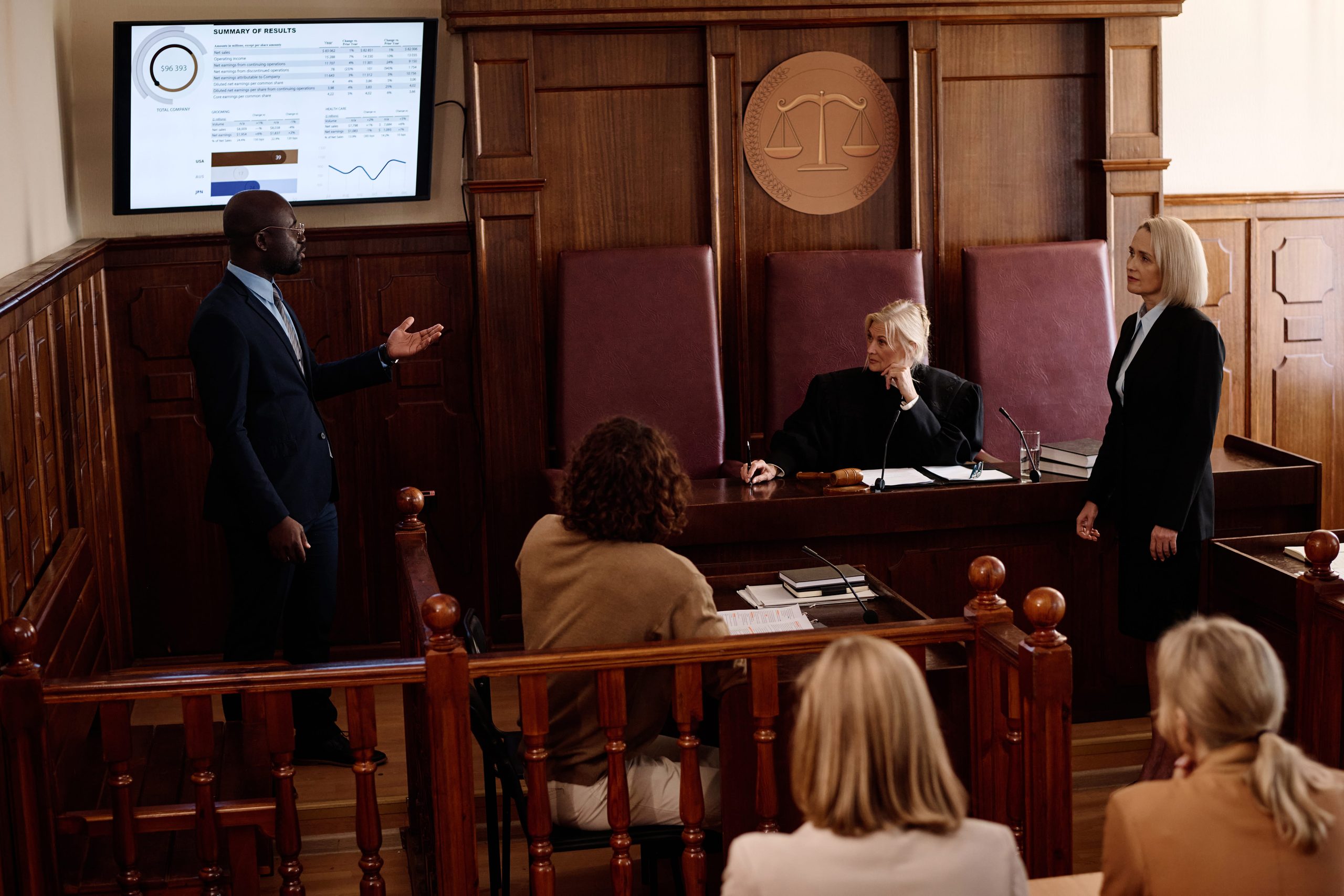
Grand Jury Investigations in Washington State
An investigation by a grand jury is a confidential inquiry by a body of citizens to determine whether there has been sufficient evidence of a criminal offense to hold someone for trial.
There is a very important difference between a trial jury and a grand jury. While a trial jury is presented with the evidence from a case and decides whether or not the defendant is guilty, a grand jury investigates the evidence that the prosecutor will use to try to get an indictment against a person, and determines whether or not there is enough evidence to issue an indictment for the charges alleged by the State (in the case of a Washington indictment, this means that the State has met the requirements for an indictment as outlined by Washington law).
Grand juries are used in Washington but are not commonly used in our state of Washington, according to the Washington State Courts.
A understanding of the Grand Jury process will help protect your rights if you receive a subpoena to appear before a Grand Jury, are notified that you are the subject of an investigation before charges are filed, or if you merely have a feeling that the police are investigating you before charges are filed.
What Is a Grand Jury?
This group of 12 people, impaneled by the superior court, acts as a Grand Jury. The Grand Jury hears testimony from witnesses, examines evidence, investigates criminal activity and corruption, and considers information from the Prosecutor’s office to determine if there is sufficient information for an indictment to be issued in the form of an indictment.
It is sometimes mistaken that the Grand Jury decides whether the defendant is guilty or not, as in a trial by jury. Not so. The Grand Jury only decides whether there is sufficient evidence for the defendant to be charged with a crime. In other words, the Grand Jury determines whether there is sufficient evidence for the defendant to be indicted for the crime for which he or she is charged.
Its role can include:
- Hearing testimony from witnesses
- Examining evidence
- Investigating possible criminal activity
- Considering information presented by prosecutors
- Determining whether probable cause exists to issue an indictment
An indictment is a written accusation of a crime found by a grand jury. Under Washington law, an indictment is issued by a grand jury when they find there is sufficient evidence to hold a person for trial for a crime they have been accused of committing.
What is the Purpose of a Grand Jury Investigation?
A grand jury investigation is a process whereby the legal system investigates alleged criminal conduct in a secret hearing.
As specified in Washington law, a grand jury can investigate criminal activity and corruption and hold a proceeding where they hear evidence and act on the evidence they hear.
This process is used to investigate allegations prior to determination of whether to seek an indictment.
Grand Jury investigations are different from criminal charges against an individual for a crime that they have committed. The purpose of a Grand Jury investigation is to gather evidence of possible criminal activity.
This investigation can produce enough evidence to result in an indictment, or it may not result in an indictment of any individuals.
How Is a Grand Jury Convened in Washington?
The order for a grand jury is issued by a superior court.
A grand jury can be issued by a superior court when the public interest would be served by an investigation of alleged criminal activity or corruption. Additionally, in every county there is a public attorney such as a prosecuting attorney. He or she may request the convening of a grand jury for good cause.
In other words, a grand jury can be summoned whenever the public interest requires it and there is evidence of serious criminal activity including corruption. Typically, a public attorney such as a prosecuting attorney requests a grand jury upon a showing of good cause.
There is a formal legal process that must be followed in order to convene a grand jury.
How Does a Grand Jury Investigation Work?
Note that every investigation may proceed differently; however, typically, an investigation proceeds along several of the following fronts.
1. Authorities investigate suspected criminal activity
An investigation can be initiated by a report from law enforcement, prosecutors, government officials or even the general public.
Investigators may gather:
- Documents
- Financial records
- Electronic communications
- Surveillance footage
- Police reports
- Witness statements
- Physical evidence
- Digital evidence
- Other records relevant to the investigation
2. A grand jury is convened
Supreme Court may order a Grand Jury to be established if statutory requirements are met.
Washington law provides that a grand jury consists of 12 people.
3. Witnesses may be subpoenaed
A witness can be issued a subpoena to appear before the grand jury to provide testimony or evidence that is required to complete the investigation.
All witnesses to be called before a grand jury in Washington can be compelled to attend and to testify to relevant facts.
Please be advised that a subpoena is a legal document and should never be disregarded without obtaining an legal opinion first.
4. Witnesses provide testimony or evidence
The prosecutor or other authorized public attorney may assist the grand jury and examine witnesses. Washington law also provides that a public attorney may draft indictments and issue process for witnesses when requested by the grand jury.
For example, the prosecutor or other authorized public attorney can be present to assist the grand jury with their investigation and to examine witnesses before the grand jury. Pursuant to RCW 10.27.030, a public attorney can also draft indictments and issue process for witnesses requested by the grand jury.
5. Grand jurors deliberate
Grand jurors consider the evidence presented to them.
The deliberation and voting by the grand jury to determine whether or not an indictment should be returned is done by the grand jurors only.
6. The grand jury may issue an indictment
If the grand jury finds that there is sufficient evidence to sustain the criminal charge or charges, they issue an indictment charging the accused with the offense(s) for which there is sufficient evidence to establish probable cause to hold the accused for trial.
According to Washington law, the finding of three-fourths of the grand jurors from all the evidence presented must be that there is sufficient evidence to prove beyond a reasonable doubt that the person under investigation has committed a criminal offense and they are therefore guilty of that crime.
Indictments do not imply guilt of a crime but are charges against an individual(s) that will go through the proper legal channels to seek a determination of guilt or innocence through the proper criminal court.
What Is an Indictment?
An indictment is a written document that a Grand Jury issues, formally accusing a person or entity of one or more crimes.
It outlines the charges and underlying criminal activity which the Grand Jury was convinced of with sufficient Probable Cause to issue an Indictment for further criminal proceedings.
An indictment is not a conviction, it is an accusation.
The full extent of the charges will still have to go through the criminal justice system.
What Is the Difference Between a Grand Jury and a Trial Jury?
The two types of juries serve different purposes.
| Grand Jury | Trial Jury |
|---|---|
| Investigates possible criminal activity | Decides the outcome of a criminal trial |
| May hear evidence before formal charges | Hears evidence after the case proceeds to trial |
| The Grand Jury decides whether or not an Indictment will be issued to charge a person with a crime | The Trial Jury decides whether or not the accused person is guilty of the crime for which they have been charged and if so, what their punishment should be |
| Proceedings are generally confidential | Criminal trials are generally public |
All grand jury proceedings are frequently classified as secret until charges are filed. In a criminal trial, both the prosecution and the defense will argue their respective side of the case.
This is perhaps the most important distinction regarding a Grand Jury. They do not decide guilt or innocence in relation to a trial.
Is a Grand Jury Investigation Secret?
Yes. Grand jury proceedings are subject to significant confidentiality requirements.
Washington State law requires a grand jury to keep secret their discussions, and their votes, on the matters before them. Typically, also, testimony of witnesses, and other evidence considered by the grand jury, is also secret. However, there are exceptions to these rules.
The reasons for such confidential treatment of the activities of a Grand Jury are to 1) preserve the integrity of the investigation and 2) allow witnesses to come forward and provide information to investigators.
This means that generally you will have no idea what the grand jury has been up to and what evidence has been received by it during its proceedings.
Can You Be Subpoenaed to Appear Before a Grand Jury?
Yes.
You can be subpoenaed to appear before a grand jury to be a witness and answer questions or produce evidence.
The definition of a witness, according to Washington law, is: A witness is a person who is summoned to appear and testifty before a grand jury or a special inquiry judge.
A subpoena can be a serious matter so take it seriously even if you feel you have done nothing wrong and are not involved in any criminal activity.
Even though you may be confident that you have not committed any crimes and thus do not need to comply with a subpoena to testify before a grand jury, you must comply with the demands in the subpoena to appear before a grand jury.
What Should You Do If You Receive a Grand Jury Subpoena?
You may want to consult with an attorney if you receive a subpoena from a grand jury. Below are some general steps that you may consider taking after receiving a subpoena to appear before a grand jury.
Read the subpoena carefully
Determine:
- Where you must appear
- When you must appear
- What documents or evidence you must provide
- Whether the subpoena requires testimony
- Whether there are specific instructions you must follow
Do not destroy or alter evidence
Don’t Destroy Information Relevant to the Investigation!
Do not assume you are only a witness
Even if you are only called to give information regarding another person’s conduct, you can still be called as a witness and therefore could potentially be charged personally with a crime.
Even though you are testifying as a witness, if the investigation is also looking into your own personal actions and you suspect that you will be charged as a result of the investigation, you should consult with a criminal defense attorney before testifying.
Do You Have the Right to Bring a Lawyer to a Grand Jury?
Wa.al.? R.r..acations for Attorneys During a Grand Jury Proceeding
An attorney can advise a witness as to the right to answer or not answer, and the form of the answer, but otherwise will not participate in the grand jury proceeding.
This is different from having your attorney sit right next to you in a trial and conduct your defense for you.
Because of the complexity of the rules for grand jury testimony it is best to discuss your situation with an attorney prior to the investigation.
Right to Remain Silent before Grand Jury?
The answer depends on the circumstances.
The ability of a person to claim protection from self-incrimination and the right to counsel in a grand jury proceeding is governed by Chapter 10.27 RCW and the procedures contained in said Chapter relating to the refusal of a witness to testify or to produce evidence in a constitutional manner.
Furthermore, the concern of exposure to possible criminal liability is best addressed by NOT ANSWERING in the first place – do not guess.
It is always best to seek the advice of a criminal defense attorney as soon as you know that you are going to be called before the grand jury. The attorney can then review the circumstances and advise you as to your rights before you testify.
What Happens If a Witness Refuses to Answer?
A witness cannot simply refuse to answer every question in a grand jury investigation, and there are procedures that must be followed in order to deal with his/her refusal to testify or provide evidence in a grand jury investigation.
Washington law outlines specific procedures regarding self-incrimination and a witness’ refusal to testify before a grand jury in a criminal investigation.
The legal implications for a witness’s refusal to answer questions prior to a grand jury can vary depending on several factors including the reason for refusal and the circumstances.
It is wise to seek the advice of an attorney if you believe that you or another are being targeted by a criminal investigation.
Can a Grand Jury Force You to Testify?
In certain circumstances, yes.
Washington law allows for the compelled attendance of and testimony of a witness before a grand jury.
However, there are constitutional protections regarding self-incrimination that could prohibit you from having to answer certain questions.
Do not assume you have to answer every question on a subpoena.
Your lawyer can advise you as to whether or not you are required to answer any particular questions.
Does a Grand Jury Investigation Mean You Are Going to Be Charged?
No.
While an investigation is taking place by a grand jury, it does not mean you will automatically be charged with a crime.
Keep in mind that even if an investigation does result in an indictment and subsequent charges being filed, it does not automatically mean you will be charged with a crime. The investigation alone does not guarantee that you will end up being charged with a crime.
An indictment issued by a Grand Jury only represents an accusation and not a conviction.
What Happens After a Grand Jury Indictment?
The case can then proceed through the court system, depending on the specifics of the case.
Depending on the circumstances, subsequent proceedings may include:
- Filing of the indictment
- Arrest or summons
- Initial court appearance
- Arraignment
- Pretrial motions
- Discovery
- Plea negotiations
- Trial
- Sentencing if there is a conviction
Depends on the charges and the situation of the case.
Grand Jury Investigation vs. Criminal Trial
A Grand Jury Investigation vs. A Criminal Trial.
Grand jury investigation
These proceedings focus on the investigation of crimes and whether there is sufficient information to induce an indictment for such crimes under the probable cause standard as defined by the laws of the State of Washington.
Criminal trial
Here the focus is on whether the defendant has been proven guilty by the required trial standard.
There is often a misconception held by people who become the subject of a grand jury investigation that they are being found guilty of a criminal offense, when in reality the grand jury’s investigation is merely the beginning of a potential criminal case.
Can a Grand Jury Investigation Happen Before an Arrest?
Yes.
A grand jury investigation can occur before an arrest of the person under investigation for suspected criminal activity.
Be aware that issues relating to criminal charges can often arise long before charges are filed and you are arrested and formally charged. Therefore it is important to get legal advice as soon as possible.
In some cases, legal issues arise much earlier.
If the authorities are investigating you for criminal activity, it is important to seek the advice of a criminal defense lawyer early on to understand your rights and to minimize your exposure to potential error.
What Evidence Can Be Presented to a Grand Jury?
The evidence presented depends on the investigation.
It may include:
- Witness testimony
- Business records
- Financial documents
- Emails
- Text messages
- Phone records
- Digital files
- Photographs
- Video
- Police reports
- Physical evidence
- Expert information
- Other evidence relevant to the investigation
The specific evidence that will be available in a Grand Jury investigation will depend upon the allegations in the indictment and the methods of investigation utilized.
Why Are Grand Jury Investigations Confidential?
Confidentiality can assist in the investigation and in the protection of those involved.
Because the work of a grand jury is confidential, especially their deliberations, Washington law restricts the disclosure of the following matters pertaining to a grand jury: (1) discussions; (2) votes; (3) testimony before a grand jury; (4) evidence presented before a grand jury; and (5) other matters related thereto, subject to certain exceptions.
Investigations involving a grand jury often remain confidential and even the subjects of an investigation are asked to keep the investigation under wraps as much as possible. Keep in mind that disclosure of discussions concerning a grand jury investigation is prohibited by statute, i.e., discussions concerning the existence of a grand jury and its subject matter as well as deliberations before the grand jury. In addition, votes taken by a grand jury, testimony before a grand jury and all evidence presented to a grand jury is also strictly non-disclosable under Washington statute – again subject to certain defined exceptions.
What Is a Special Inquiry Judge?
The special inquiry judge for corruption investigations is also appointed under Washington’s grand jury statutes, which set forth separate procedures for such inquiries.
A special inquiry judge is a superior court judge assigned by a majority of the superior court judges in a given county to hear and receive evidence with respect to crime and corruption.
In Washington, all special inquiry judges are appointed pursuant to separate statutory procedures for grand jury matters contained in the state’s grand jury statutes.
However, there are many different investigative procedures that are authorized by these special statutory procedures and not all of them are conducted like a traditional grand jury.
Why You Should Speak With a Criminal Defense Attorney
An attorney can identify serious legal problems even before criminal charges are filed.
An attorney may be able to help you:
- Understand why you may have received a subpoena
- Help you determine whether you are a witness or a subject of the investigation
- Evaluate potential self-incrimination issues
- Prepare for testimony
- Review documents you may be required to produce
- Communicate with prosecutors when appropriate
- Protect privileged information
- Identify potential constitutional issues
- Respond appropriately to investigative requests
- Prepare for possible criminal charges
The earlier you are made aware of your situation the better it is to develop an appropriate strategy for your specific case.
What Should You Avoid During a Grand Jury Investigation?
If you think you are a target of a criminal investigation, there are a number of things you should avoid.
Do not:
- Ignore a subpoena
- Destroy or alter evidence
- Delete potentially relevant communications
- Lie to investigators
- Guess when answering legal questions
- Discuss confidential investigative matters publicly
- Contact potential witnesses to influence their testimony
- Ascribing to the belief that investigators have shared all pertinent information with you
- Give potentially incriminating testimony without understanding your rights
If you are unsure whether your conduct was illegal or not, it is always wise to contact a criminal defense attorney before you do something which could lead to your arrest or charge with a crime.
Grand Jury Investigations in Washington
Washington laws governing grand juries are found in Chapter 10.27 RCW. The chapter details the procedures for establishing a grand jury, the roles of witnesses, attorneys, and the grand jury itself, matters the grand jury is permitted to consider, confidentiality, self-incrimination, and subpoenas and the indictment issued by the grand jury.
While grand juries are not commonly used in Washington, receiving a grand jury subpoena or learning that you are involved in a grand jury investigation is a circumstance which deserves careful attention and probably consultation with a criminal defense attorney.
While grand jury proceedings are not as commonly used in Washington as in some other states, it is very important to treat a grand jury subpoena or a mention of your name in connection with a grand jury investigation with great caution.
Grand Jury Investigation in Vancouver, WA
If you reside in Vancouver, Washington are the target of a Grand Jury Investigation, don’t wait for an arrest to seek legal representation.
A Washington criminal defense attorney can guide you through these matters and help you understand what the investigation is about and your rights as a witness or targeted subject to the grand jury investigation.
How Mcaleer Law Can Help
Grand jury investigations are often complex matters which involve a host of different legal issues and even constitutional rights.
Don’t wait until you have been arrested for a crime and charged by the prosecutors. Contact an experienced Washington criminal defense attorney at Mcaleer Law today to discuss your case.
Do not ignore a subpoena, do not destroy evidence, and try to be as careful as possible when answering questions but remember you have rights and seek the advice of a criminal defense attorney as early as possible.
The specific issues and legal rights of an individual will depend upon the facts of the investigation and the particular role of that individual in the matter being investigated.