Property Damage Criminal Charges in Vancouver, WA: What You Need to Know
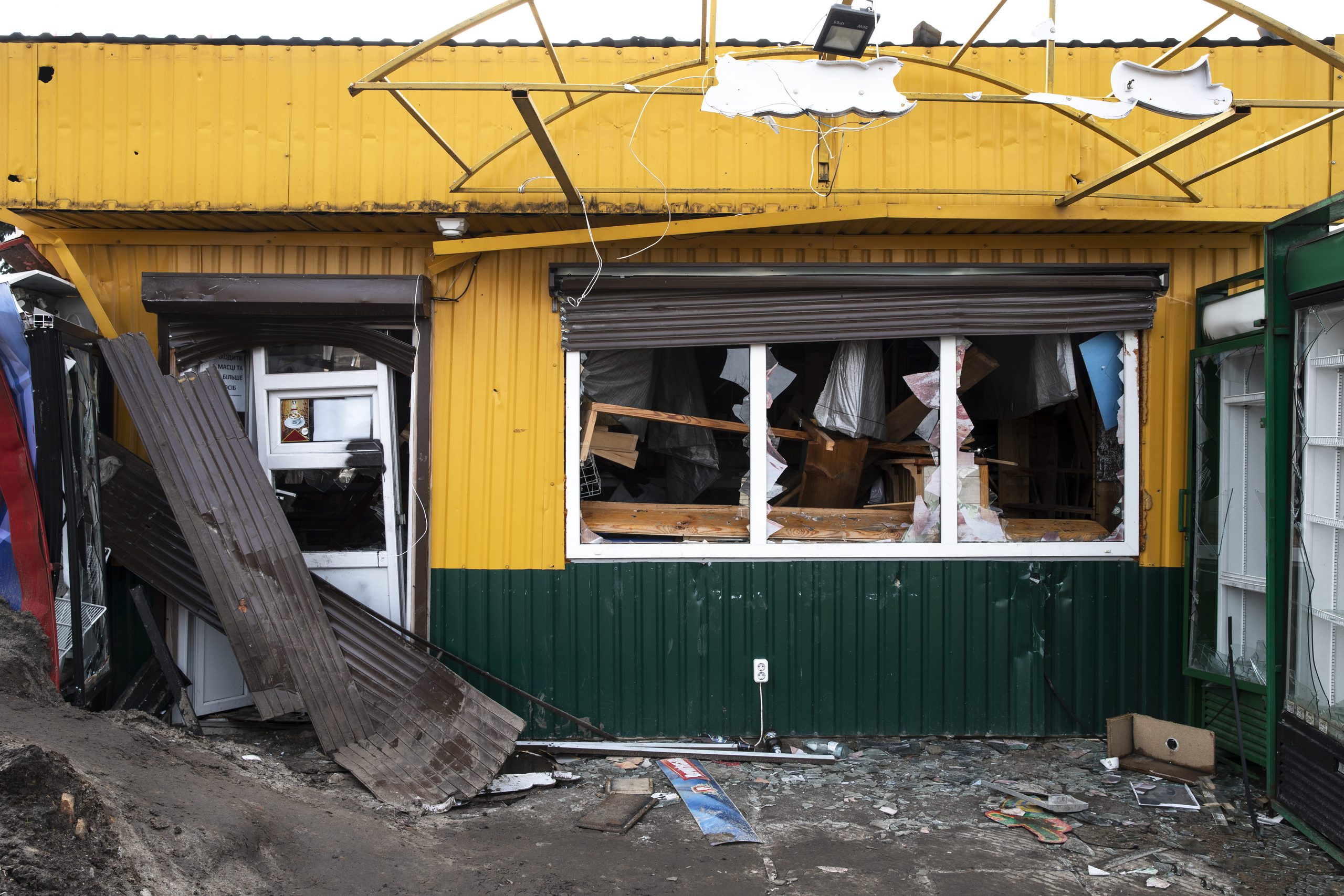
What Is Malicious Mischief in Washington?
As noted above, Washington does not have a “vandalism” crime. Rather, damage to property is set forth as malicious mischief in RCW 9A.48.070 through RCW 9A.48.090.
The elements of Malicious Mischief are 1) you knowingly damaged the property of another; 2) you acted with malicious intent in so acting; and examples of this crime include:
- Keying or denting a car
- Breaking windows
- Spray painting graffiti on a building
- Damaging phones, doors, or furniture during a fight with someone else
- Slashing tires
- Damaging fences, signs, or landscaping
- Tampering with equipment or utilities
What “Physical Damage” Covers
The physical damage for the crime of Malicious Mischief includes alterations, damage, obliteration, or destruction of another’s property to a degree, no matter how small.
What “Maliciously” Means
An intention to vex, annoy or injure another can constitute malice, even when an accident occurred. The question of malice can be a focal point for a defendant’s defense.
The Three Degrees of Malicious Mischief
Washington classifies Malicious Mischief according to the amount of damage and the type of property which was the subject of the mischievous conduct.
| Charge | What Triggers It | Classification | Maximum Penalty |
| First degree (RCW 9A.48.070) | Damage over $5,000, or damage that interrupts or impairs public services such as transportation, power, or communication | Class B felony | 10 years in prison, $20,000 fine |
| Second degree malicious mischief (RCW 9A.48.080) | Over $750 in damage or maltreatment of very specific, heavily protected property and public service systems | Class C felony | Up to 5 years in prison and $10,000 in fines |
| Third degree (RCW 9A.48.090) | Third degree malicious mischief is engaged by damage to the property of another (including graffiti to property of another where such is done without permission) which does not constitute malicious mischief in the 1st or 2nd degree | Gross misdemeanor | Punishable by up to 364 days in jail and by a fine of up to $5,000 |
Please note that there are many factors that can determine the actual sentence given out in a case (such as prior offenses). These numbers are the maximums set by law.
Penalties Beyond Jail and Fines
A conviction for malicious mischief, as a crime of property damage, has consequences for long after the day of the crime and possible sentence.
- Restitution: Regardless of the number of days you actually spend in jail, you will have to repay the full cost of repair or replacement for the damaged property.
- Criminal record of the offense including reference to such on applications for andamp; throughout the term of any loans, employment, Public Housing, State Licensing, etc.
- Probation with specific conditions, including supervision, and no-contact orders.
- Loss of firearm rights. The convicted individual will lose their right to possess firearms for a number of years after their conviction for the property damage offense.
- Job and housing problems: You can expect problems looking for a job and for housing after being convicted of a property crime.
Domestic Violence Designations
Many property damage cases involve domestic violence and therefore will include no-contact orders, mandatory arrest provisions and enhanced consequences. If you have been charged with property damage after an argument with your wife, husband, boyfriend, girlfriend, family member or other loved one, contact an attorney immediately.
Common Defenses to Malicious Mischief Charges
As with all crimes, there are defenses that a good lawyer can use for malicious mischief charges.
1. The Damage Was an Accident
An accidental break can be a powerful defense to malicious mischief charges where no malice is proven.
2. The Property Was Not “Another’s” Property
If you own an item or share ownership with another individual or have rights to it, you could potentially be charged under malicious mischief, but that would be a technicality.
3. The Damage Amount Is Wrong
Value is the parameter that decides how serious a charge of malicious mischief is. Most charges of damage are overestimated as to value. Therefore often a charge of malicious mischief of high degree can be downgraded to a gross misdemeanor by challenging the estimated repair costs.
4. Mistaken Identity
In some instances, surveillance footage may not be completely clear. In many instances, the actual witness to the incident can make mistakes regarding the person responsible for said incident.
5. You Had Permission
Since the defendant was acting with the owner’s permission to alter or destroy the property, then the defendant was not acting maliciously.
6. Unlawful Police Conduct
If an officer or the police violate your rights during a search and/or seizure and/or interrogation then that evidence can be suppressed by the court.
7. Lack of Evidence
The amount of damages is controlled by the value of the property. Repair estimates are typically exaggerated. This is easily challenged and can lower the charge from a felony to a gross misdemeanor.
What to Do If You Are Accused of Property Damage
Take these steps right away:
- Keep your mouth shut and ask for a lawyer before any questioning takes place.
- Try not to have any contact with the alleged victim. You could be charged with additional crimes or create a situation where a no-contact order would be necessary.
- Don’t destroy evidence such as texts, photos, and social media posts even if they are incriminating. Trying to destroy such evidence can lead to even more serious charges.
- Note to suspect: Write down the events that happened. By writing down the events as soon as possible, you can make sure that you remember everything as it happened. You can only provide this information to your attorney.
- Collect evidence. This would include saving receipts, saving messages, and saving names of any witnesses.
- Don’t offer to pay for any damages before speaking with an attorney. Such offers can be used against you later.
- Call a criminal defense attorney immediately.
Your best interest can be met even before trial by getting your case resolved or having terms of restitution entered into that will protect you.
How Mcaleer Law Can Help
At Mcaleer Law we defend our clients charged with all sorts of property crimes in Vancouver. In most instances we review a copy of the police report, go over the estimate for the damage to ensure that it was fairly computed and then try to attack the intent element of the crime by showing that the state cannot prove malice.
We will:
- Examine the evidence and the officers’ conduct
- Challenge inflated repair or replacement costs
- Negotiate with prosecutors for reduced charges or dismissal
- Fight to limit restitution and protect your record
- Prepare your case for trial when necessary
Frequently Asked Questions
Is property damage a felony in Washington?
This crime can be a felony if the damage is over $750, but is typically a gross misdemeanor when it is under $750.
What is the difference between vandalism and malicious mischief?
Washington law does not refer to “vandalism”. So-called acts of “vandalism” are considered to be malicious mischief.
Is the charge of property damage going to be charged as a crime if the damage occurred by accident?
Can these types of incidents be charged as crimes even when they were an accident and were they intentional?
Will I have to pay for the damage?
Restitution. Courts order repayment of the amount of property damage in most cases of property damage charges. The amount of the damages can be argued by your attorney as well as the terms of payment.
Can a malicious mischief charge be dismissed?
Yes. Dismissals of malicious mischief charges can occur as a result of evidence suppression, failure of proof regarding intent, and/or as part of negotiations with the prosecutor.
Is graffiti a crime in Washington?
It depends on the manner in which the Graffiti was written or painted. Generally speaking, Writing or Painting Graffiti on the property of another without permission to do so is charged as Malicious Mischief.
Should I talk to the police?
No. Tell them you need an attorney first. Anything you say can and will be used against you in attempting to prove that you acted with purpose.