How Long Does a Criminal Case Take in Washington?
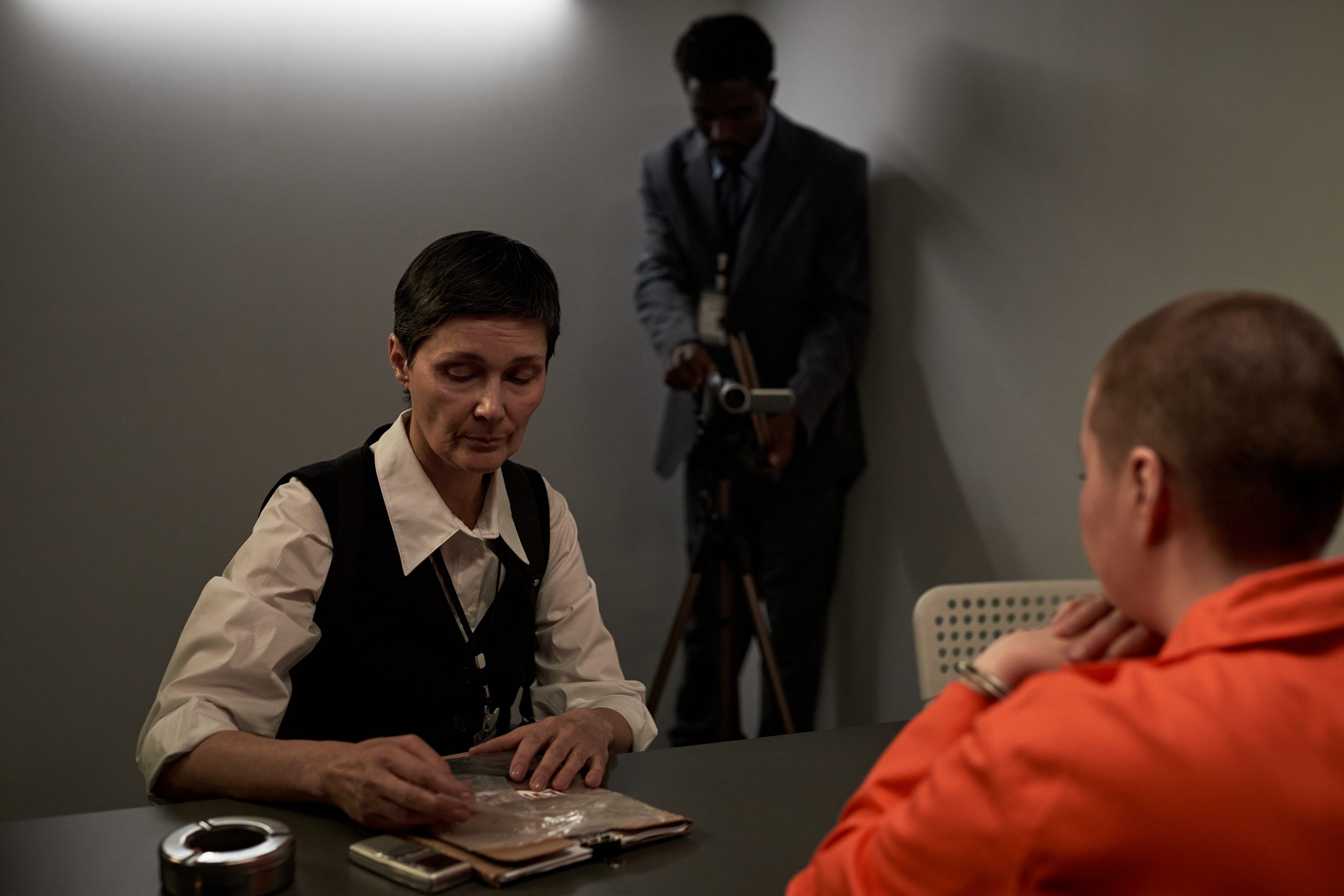
If you have been charged with a crime in the State of Washington, one of the first questions that most people have is how long will the criminal case last. There is no easy answer to this question. Every criminal case is different. Some cases resolve in a matter of weeks, while others last for many months.
Criminal cases can take any amount of time, generally resolving within several weeks to a few months. However, the more serious the charges and the amount of evidence required to prove the case, the longer the case is likely to be. In some cases, a case can last for months or even years.
The many factors affecting a case in Washington mean that a criminal case can take a long time to resolve. Again, much depends on the nature of the crime for which you have been charged, whether you are free while your case works its way through the system or if you are in jail, how much evidence the State has against you, whether there are pretrial motions that must be resolved, your negotiations with the prosecutor for a plea, the court’s docket (calendar) and whether your case ultimately ends up being tried to a judge or jury.
For individuals who have been charged with a crime in the Vancouver, WA area (Clark County) or elsewhere, having a general idea of how a criminal case is processed through the various stages of the process can provide the accused with an idea of what to expect as their case works its way through the justice system.
How Long Does a Criminal Case Usually Take?
Depending on the crime, a case can last from a few weeks to over a year. Most misdemeanor cases are resolved in a matter of weeks and can be settled by the defendant entering into a plea agreement with the prosecutor prior to trial. The longer a felony case is, does not necessarily mean that something
Again, a simple misdemeanor can be resolved in a matter of weeks when a simple plea agreement is entered. More serious crimes that are labeled as felonies can take months to years to finally resolve. When a case has multiple witnesses, huge amounts of discovery, and/or lots of expert evidence and/or complicated legal issues then a felony case can take many months to years to finally resolve.
Keep in mind that there are many cases in which the length of a case does not dictate whether or not it was handled properly. Often, a defense attorney needs time to gather information regarding the allegations against a client and then evaluate all of the relevant evidence in order to identify any pertinent issues. Furthermore, there are times when negotiations with the prosecution must be conducted, and when necessary, a trial must be prepared for.
What Are the Main Stages of a Criminal Case?
Knowing each of the typical stages of a case can be helpful to understand the time period of each case.
- Investigation and Arrest
A criminal case may begin before an arrest.
Police begin an investigation by collecting evidence of a crime, interviewing witnesses, obtaining a search warrant for a house or car, or even contacting someone suspected of a crime for information.
While an investigation by the police may precede an arrest and subsequent charges by the prosecutor’s office, often the reverse is true. Charges are filed by the prosecutors before the arrest of the defendant, and the defendant may be surprised by the allegations against him or her prior to his or her ability to fully investigate the allegations made against him or her.
Your early involvement in the case is important because, within days of an arrest, your accused client could be subjected to interpretation of statements and other evidence, and may have critical evidence discovered against him/her while the defense is still being organized.
- Preliminary Appearance
This is often the first appearance of the defendant before a judge after an arrest and typically occurs within 24-48 hours of booking. At this appearance, the court addresses the issue of probable cause to hold the defendant for charges, as well as his or her release from custody and the amount of bail to be set.
The issues of release, of bail and of conditions of release can be addressed at the preliminary appearance.
The specific procedure for the Preliminary Appearance will vary depending upon the type of case, i.e., felony or misdemeanor, and the court, i.e., judge, courtroom, location etc.
- Arraignment
An arraignment is an important early court hearing.
At the arraignment, the defendant will be advised of the charges against him/her and of his/her rights. He/she will then enter a plea of guilty or not guilty. A not-guilty plea is typically entered at the arraignment while the case is set for trial.
According to Washington Courts, an arraignment is the procedure in which an accused person is brought before the court to plead to the criminal charge.
- Discovery and Investigation
After charges have been filed in a case, the defense needs to understand the evidence that will be used against the defendant.
Discovery may include:
- Police reports
- Witness statements
- Photographs and videos
- 911 recordings
- Body-camera footage
- Surveillance footage
- Digital evidence
- Forensic evidence
- Medical records
- Expert reports
- Other documents related to the allegations
Your attorney can conduct an independent investigation to gather more information about the case including interviewing witnesses and examining physical and/or digital evidence to determine possible defenses to the allegations.
This stage can take considerable time in complicated criminal cases.
- Pretrial Hearings and Motions
Many criminal cases involve hearings before trial.
These motions can address a variety of topics, such as:
- Whether certain evidence should be excluded
- Whether a statement can be used in court
- Whether a search or seizure violated constitutional rights
- Discovery disputes
- Other legal or procedural issues
In addition, Washington’s Superior Court Criminal Rules lay out specific parameters for issues like search and seizure, confessions, suppression hearings, discovery, pleas and pretrial procedures that must be followed by all Superior Courts.
While these steps can add time to your case, they are very important to ensure your rights have been protected and you have received the best defense possible.
- Plea Negotiations
Not every criminal case goes to trial.
As with any criminal charge, there may be negotiations between the prosecution and your defense regarding your case. The two parties may discuss items such as charges, recommended sentencing, or other conditions of your case.
Be sure you understand all of the consequences of any proposed agreement before you agree to it.
This is another area that the lawyer can review the facts of your case and explain the good and the bad of taking a plea offer.
- Trial
Even if your case does not go to trial, it can be helpful to see how a trial would proceed.
A criminal trial can involve:
- Jury selection
- Opening statements
- Presentation of evidence
- Witness testimony
- Cross-examination
- Closing arguments
- Jury instructions
- Jury deliberation
- A verdict
The actual trial can last anywhere from a day or two to several weeks depending on the case.
- Sentencing
When a defendant is found guilty or enters a guilty plea, the case will be scheduled for sentencing.
The sentence can be based on a number of factors including the commission of the crime, the defendant’s criminal history, and the terms of sentencing legislation that is in effect at the time of sentencing in addition to other circumstances in the case.
In some instances, the guilty plea and sentencing may be held on the same day of court. Separate types of proceedings are denoted for guilty pleas and for sentencing in Washington court records.
What Factors Can Make a Criminal Case Take Longer?
Several factors can affect how quickly a case moves.
Type and Severity of the Charges
Misdemeanors (even those charged as gross) have fewer issues than felonies.
For example, a simple misdemeanor may be resolved more quickly than a serious felony, while a case involving drug offenses may require extensive investigation and review of evidence because of the serious nature of the offense charged.
Amount of Evidence
A case with a few documents and a handful of witnesses is likely to proceed differently than a case with thousands of documents, numbers of digital communications, video and photographs, physical evidence and numerous witnesses.
The more evidence there is for a defendant to review and possibly investigate, the more time a case will take.
Number of Witnesses
All of the above examples would require more investigation and preparation for a defense of a criminal charge if there are many witnesses for the prosecution in a criminal case.
Witness availability can also affect scheduling.
Pretrial Motions
Additional legal motions will also add time to the case, as they typically require hearings, written arguments and a ruling by the court.
These motions can often take several weeks to receive a ruling on the part of the court.
Plea Negotiations
Also, negotiations for a plea can take time and may not end in a resolution to a case before trial.
It is not possible for the defense to investigate a case and tell clients whether or not the proposed disposition for them is in their best interest.
Court Scheduling
Court calendars are the schedules of all of the cases pending in front of a judge and court. As noted above, Washington courts are extremely busy and Washington Courts reports that in 2007 for Clark County
Lastly, it is worth noting that Washington’s courts handle a huge volume of criminal matters. For example, in the first six months of 2026, there were over 12,500 criminal non-trial proceedings in Clark County Superior Court (Washington Courts).
Court scheduling is critical to the criminal case management process.
Does Every Criminal Case Have to Go to Trial?
No.
This is not always the case; in fact, the majority of criminal cases are resolved by way of a plea agreement prior to trial.
Do not automatically assume the first offer is in your best interest. Your attorney will review all of the information pertaining to your charges including the evidence against you and the potential sentence or penalties that you could receive. Additionally, your attorney will review all of the possible defenses against the charges against you.
How Long Does it Take for a Criminal Case to Go to Trial in Washington?
While there are time limits for when a criminal case can be tried in Washington, completion of the case within a specific number of days is not always possible.
For Superior Court criminal cases, Washington’s criminal rules for Superior Court are found in CrR 3.3. The length of time a Superior Court criminal case is to be tried is measured by days and can be affected by the defendant’s status (i.e. whether he or she is in custody) and by excluded periods.
Most other courts will have their own criminal rules. The calculation can depend on the particular case.
Note that the amount of time a case takes to investigate and finally resolve is different from the amount of time the case can take to go to trial as set by statute or the court rules.
Can a Criminal Case Be Resolved Quickly?
Yes, some cases can move relatively quickly.
A case may resolve sooner when:
- The facts are relatively straightforward
- There is limited evidence
- The parties reach an agreement
- There are few witnesses
- There are no significant pretrial motions
- The court has available scheduling capacity
Just because a case is moving quickly doesn’t mean it’s reaching the best outcome for a client.
I try to keep my efficiency in representing a client’s interests in resolving a case as high as possible while at the same time thoroughly investigating the charges against that client and preparing an adequate defense to protect that client’s rights.
Yes.
Yes.
As a general matter, complex felony cases often take a year or more to get to trial. That does not necessarily mean that the case will take a year or more because of action of the defense or the prosecution.
A lengthy case does not necessarily equal unnecessary delay by the defense or prosecution. Often additional time is required to adequately investigate and try the case.
Does Hiring a Criminal Defense Attorney Make the Case Take Longer?
Not necessarily.
In some cases, a criminal defense attorney might advise taking a bit more time in order to complete a thorough investigation of the accused’s situation and be ready to defend him or her in the best possible way.
An attorney may need time to:
- Review discovery
- Investigate witnesses
- Examine physical and digital evidence
- Identify constitutional issues
- Research applicable law
- File motions
- Negotiate with prosecutors
- Prepare for trial
Protecting your legal rights is more important than trying to close your case as quickly as possible.
What can you do while your case is pending?
Your actions during a pending criminal case can matter.
Follow all of the conditions of your release, attend all of your scheduled court hearings, and refrain from discussing your case in public or on social media. Collect and preserve any and all evidence that is relevant to your case, and follow your attorney’s advice as to how to best handle any and all contacts with any potential witnesses to your case as well as any others involved in your case.
Even after a charge has been filed, there are many circumstances throughout a criminal case where the accused can either help or hurt their own case. If you have questions regarding the things you can and cannot do during your case, it is best to seek the advice of your attorney.
How a Vancouver, WA Criminal Defense Attorney Can Help
At Mcaleer Law we can help by going through the defense process for your pending charges and outlining your case and all the different scenarios that may play out for your specific case.
Remember that every case is different and will require a different approach to reach a favorable outcome.