Can Police Search My Car for Drugs in Washington?
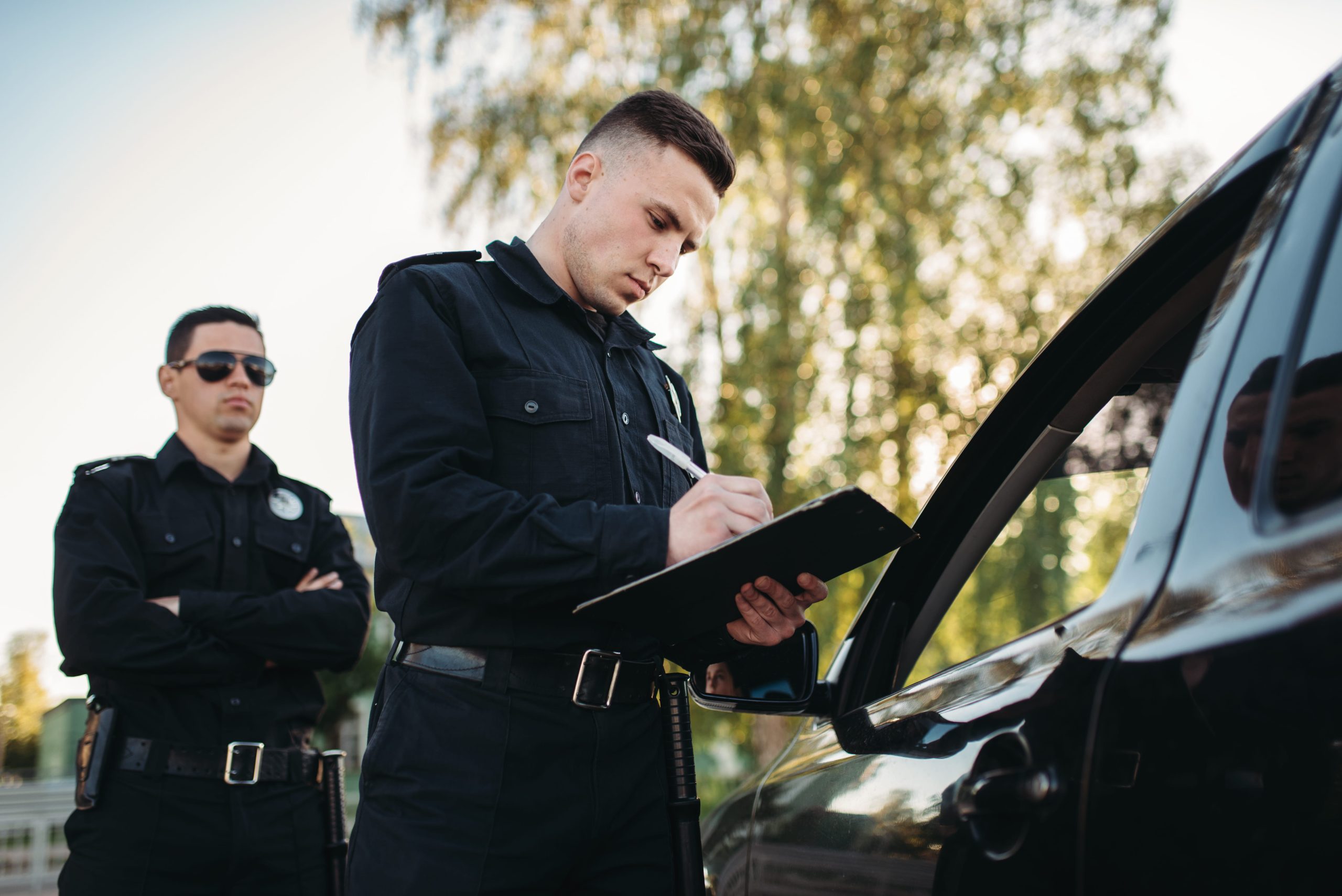
How Can a Police Officer Search a Vehicle for Drugs Without a Warrant?
Under Washington law, search and seizure of individuals and their property can occur under certain circumstances. Officers will have to meet one or more of the circumstances listed above in order to search your vehicle for drugs.
Washington’s search and seizure laws are found within the context of the Washington Constitution, which provides special protections regarding the right to privacy. Consequently, the search of a car for drugs without a warrant is analyzed within the parameters of the Washington search and seizure laws, as opposed to the federal search and seizure laws, and the “auto exception” to the warrant requirement.
The seasoned criminal defense attorney in Vancouver, WA can provide the proper representation in matters involving searches and seizures of a motor vehicle and assist clients in determining whether or not a search was conducted in compliance with Washington law.
Do Police Need for Warrant to Search a Car!!
Not always.
A search with a warrant is preferred to a search without a warrant. However, there are several exceptions to the warrant requirement, which are outlined by Washington courts.
Depending on the circumstances, issues may include:
- Consent
- A valid search warrant
- Probable cause
- Exigent circumstances
- A lawful search incident to arrest
- Plain-view evidence
- Other recognized exceptions
This would depend on the specifics of your traffic stop and subsequent search.
What Is Probable Cause?
Probable cause is defined as the officer(s) having sufficient facts and circumstances to reasonably believe that evidence of a crime or contraband will be found in the location(s) that they want to search.
This is not to say that a single fact will ever establish sufficient probable cause to search for example a house, but rather that after a sufficient number of facts have been gathered during the investigation of a crime, police can establish sufficient probable cause to obtain a search warrant for example a place where they have established sufficient probable cause to search for example for controlled substances.
Merely believing that someone else has drugs in their possession does not give one the authority to search wherever that person is.
The connection between the suspected criminal activity and the place officers seek to search for evidence of that activity is crucial to determining whether a search is lawful.
Can I Refuse a Police Search of My Car?
When an officer asks to search your car, you have the right to refuse their request for consent to search.
You can calmly say:
“I do not consent to a search.”
Do not interfere with a search of your car, for example, after the police have received your refusal of consent to search, but instead tell the officer searching, for example, your car, that you refuse to allow a search of your car, etc. This will give the officer the idea that you do not consent to the search and he will have to go speak with your attorney and then begin to contest the search for sufficient cause, etc.
Even if you refuse a search of your car though, the police may still search your car as long as they have followed the proper procedures to search your car for evidence.
What If Police Say They Have the Right to Search?
Remember you do not have to argue with the officer on the side of the road about whether or not a search is constitutional.
Although police may claim they have the right to search your car, it is always in your best interest to stay calm and NOT interfere with the search of your car while it is located on the side of the road.
You do not have to get into a long argument on the side of the road with the police about whether or not a search of your car is constitutional. Even if the police tell you that they have the right to search your car, you can say that you do not consent to the search of your car and then call a criminal defense attorney for advice on the matter.
An attorney can later examine:
- Why police stopped you
- What officers observed
- What they said before the search
- Whether you consented
- Whether officers had probable cause
- Whether a warrant existed
- Whether an exception to the warrant requirement applied
- Where officers found the alleged drugs
- How officers handled and documented the evidence
Can Police Search My Car After an Arrest?
Simply being arrested for a crime does not grant the police the authority to search every part of a person’s vehicle for evidence of a crime.
Washington law regarding searches of vehicles that are incident to the arrest of a person for a crime are governed by certain rules and are generally consistent with the federal search and seizure laws, however, there are instances where the search and seizure laws in the state of Washington will afford greater protection to individuals than the federal laws.
Such a search is legitimate only if the facts surrounding the search and the arrest are sufficient to make the search legitimate.
There is a huge difference between the police being able to search for something and them being able to take something for evidence in a criminal investigation. This is especially true when the police have arrested someone for a crime that has nothing to do with drugs, and then they find drugs in the person’s car.
What If Police See Drugs in Plain View?
Even if the police are without a warrant, in most situations, they are legally present in a location and can search for and seize items that appear to be illegal in plain view.
For example, the officers are investigating another crime and they come across suspected contraband while observing it from a lawful location.
Not every search based on the plain view doctrine is lawful. The circumstances leading up to the search of the vehicle and how the officers came to observe the suspected contraband in question are very important.
Can a Drug Dog Search My Vehicle?
Police sometimes use drug-detection dogs during investigations.
When animals are used in searches, they pose their own set of problems, particularly in light of the very high level of privacy that Washingtoners have come to expect and demand. Thus, for example, there have been a number of Washington cases concerning the K-9 searches of vehicles, even in the context of an arrest of the vehicle’s driver or passengers.
The search of your vehicle by a drug detection dog can be challenged in several ways as the attorney for the driver or passenger of the vehicle searched by the police.
- Why the dog was deployed
- What information police had beforehand
- Whether the traffic stop was lawful
- How long the stop lasted
- Whether the canine investigation unlawfully prolonged the stop
- Sufficient Legal Authority to Search for Drugs?
- What Happens If Police Find Drugs During an Illegal Search?
That your constitutional rights have been violated by a search of your car for example, means that evidence found in such a search can be challenged by your attorney as not having been legally obtained.
A defense attorney can investigate whether the prosecution can legally use:
- Drugs
- Drug paraphernalia
- Cash
- Packaging materials
- Weapons
- Statements
- Digital evidence
- Other evidence discovered during the search
Depending on the facts of your case, your attorney can file a motion to suppress evidence.
By successfully filing a suppression challenge, the attorney can greatly affect the case of the prosecution.
What Should I Do If Police Find Drugs in My Car?
Even if police find drugs in your car, it doesn’t necessarily mean that you’ll be arrested for or charged with possession of drugs.
Do not explain the drugs to police.
You have the right to remain silent. Remember that you don’t have to guess, speculate, or try to explain the ownership of an item in such a pressured situation.
Do not consent to additional searches.
Clearly state that you do not consent to the search, but do not interfere with the officers’ search of your car and/or person.
Do not discuss your case with other people.
Even statements to friends or family could be used against you in a later complication.
Preserve evidence.
Write down everything that you can remember about the stop and search of your car for as long as you can remember and put it in writing.
- Why police stopped you
- What officers said
- Whether they requested permission to search
- Whether you gave consent
- Who was inside the vehicle
- Where officers found the alleged drugs
- Whether officers searched containers
- Whether a K-9 was involved
Contact a criminal defense attorney.
An attorney can review your situation and determine if there were any Constitutional violations as a result of the search or seizure of you or your property.
Can a Lawyer Get Drug Evidence Suppressed?
Potentially.
A criminal defense attorney can look at the issues of search and seizure in relation to the search of a vehicle and the resulting drug evidence to determine if the police in a given case followed the proper legal steps for such searches and seizures, including the requirements of Washington State and federal law for such searches and seizures.
Depending on the circumstances, your attorney may challenge:
- The initial traffic stop
- The length of the detention
- The search itself
- The claimed probable cause
- The search warrant
- Consent
- A search incident to arrest
- A K-9 investigation
- The seizure and handling of evidence
The specific defense will depend on the facts of the case.
Why Early Legal Representation Matters
Detention for drug offenses carries great weight and can result in serious consequences to a defendant’s future for possession, delivery, intent to distribute and other related offenses.
By investigating a case early, an attorney can identify possible constitutional violations and address them before the case proceeds.
Your attorney may:
- Review police reports
- Obtain body-camera footage
- Examine dash-camera footage
- Review dispatch records
- Analyze the search warrant
- Investigate witness statements
- Examine evidence handling
- File suppression motions when appropriate
- Negotiate with prosecutors
- Prepare for trial when necessary
Why Choose Mcaleer Law?
Mcaleer Law serves clients who are charged with crimes in Vancouver
Our experienced attorneys can review a search of a person or their property to see if the proper evidence was obtained and if the proper constitutional procedures were followed.
Our criminal defense representation includes:
- Drug possession defense
- Drug investigation defense
- Search and seizure challenges
- Suppression motions
- Criminal investigations
- Felony defense
- Misdemeanor defense
- Trial representation
Contact a Drug Defense Attorney in Vancouver, WA
In some instances, police discover drugs in a search of a car. If the search of a car occurred after a person was stopped for some reason, the search and resulting evidence may have been obtained in violation of the constitutional rights of that person.
Mcaleer Law can review the facts and circumstances of your search for you and tell you whether or not your rights have been violated.
We’d be happy to review your case with you. Contact Us.