Accused of a Crime but Not Arrested in Vancouver, WA: What Should You Do?
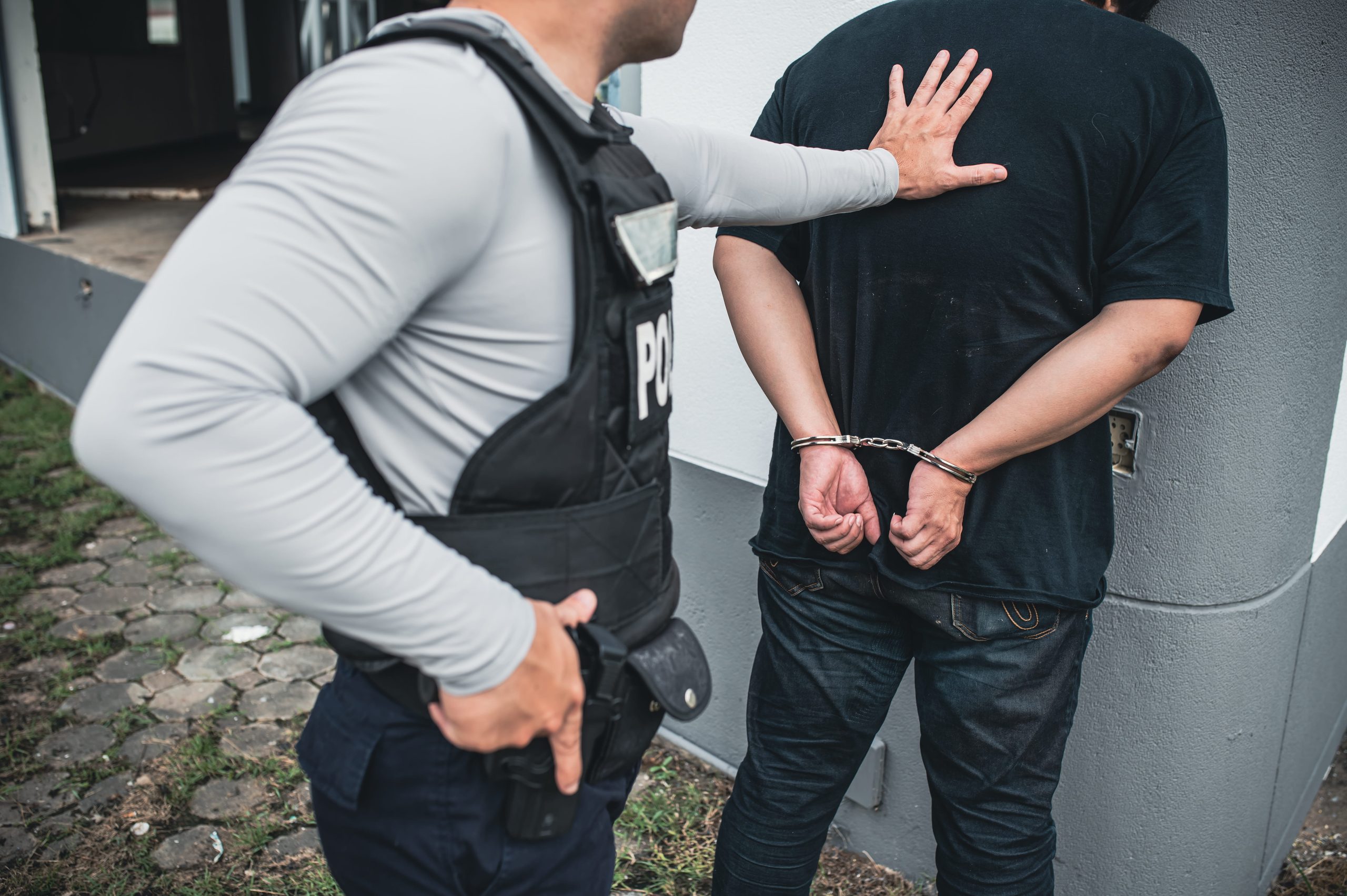
Just because you have been accused of a crime does not mean you will automatically be arrested for that crime. In Vancouver and the greater Washington area, the police will investigate the situation and the prosecutors will determine whether you will actually be charged with a crime and have an arrest warrant issued in your name.
Even if you have not been arrested for a crime, the situation can still be serious and you are accused of a crime.
Law enforcement will likely be interviewing witnesses, gathering evidence, looking at on-line activity, reviewing digital records, and may be contacting the prosecutor’s office as part of their investigation into an alleged crime.
Remember, it does not have to get to the point of an arrest before you take matters seriously.
Can You be Charged with a Crime in Washington Without Being Arrested?
Yes.
Being accused of committing a crime and being arrested for committing a crime are two different things.
There can be an accusation of commission of a crime by another without an arrest of that person. It is only after a complete factual investigation by police that a decision is made by the prosecutor as to whether or not to charge a crime.
Typically, prosecutors operate under a set of standards for the filing of criminal charges that first call for the complete and thorough factual investigation of the circumstances of the matter before the case is for filed for trial as criminal matters.
As a result, you could be under investigation for a crime and never get arrested for it.
What Does It Mean If Someone Accused You of a Crime?
An accusation is an alleged offense that has been committed by you. It is not a conviction.
The allegation could come from:
- A former partner
- A family member
- A neighbor
- A coworker
- A business associate
- A witness
- Another person involved in an incident
- A person who believes they were the victim of a crime
The seriousness of an accusation will depend on the offense with which you are accused and the amount of evidence that the police have found in support of the allegation(s).
Whether or not you have been arrested, a serious accusation such as assault, domestic violence, theft, fraud, drug offenses, sex offenses etc. could result in a thorough investigation by police.
What Happens After Someone Reports a Crime?
The process varies depending on the circumstances.
A typical investigation may involve:
- A report or allegation is made.
- Police gather preliminary information.
- Investigators identify and interview witnesses.
- This can include documents, photographs, videos, written or electronic messages.
- Police may contact the person accused.
- Investigators may present their findings to a prosecutor.
- The prosecutor decides whether or not there is enough evidence to charge a crime.
- The case is closed, is continued for further investigation or is charged for formal prosecution.
Washington’s charging standards recognize that the function of the prosecutor is to determine whether there is sufficient evidence to charge a person with a crime, and that the investigation necessary to make that determination is the responsibility of the law enforcement community.
Does Being Accused Mean You Will Be Charged?
No.
An accusation does not guarantee criminal charges.
The investigation may reveal that:
- The allegation was inaccurate.
- Witnesses provide conflicting accounts.
- Evidence contradicts the accusation.
- Important evidence is missing.
- The alleged conduct does not constitute a crime.
- The available evidence is insufficient to support prosecution.
The charging standards of Washington set forth the considerations a prosecutor must engage in to determine whether there is sufficient admissible evidence to prove the charged crime(s) at trial.
Don’t make the assumption that the investigation will cease to exist because it would appear to be going nowhere.
Can Police Investigate You Without Arresting You?
Yes.
You are not required to be arrested in order to be investigated by police.
While criminal charges have not been filed, investigation into the allegations continues.
Moreover, Washington’s statutory prosecuting standards contemplate the investigation prior to a decision to prosecute and in such case a thorough factual investigation should generally occur before prosecution.
Just because you haven’t been arrested, doesn’t mean you’re not under investigation.
How Do You Know If You Are Under Investigation?
Sometimes you will know because an investigator contacts you directly.
The investigation into you may also be discovered in other, indirect ways.
Possible signs include:
- A detective calls or visits you.
- Police ask you to come in for an interview.
- An investigator contacts your employer or coworkers.
- Police question your friends or family.
- You receive a subpoena.
- Police execute a search warrant.
- Someone tells you investigators asked questions about you.
- An attorney contacts you about an alleged offense.
- You find out the prosecutors are reviewing an allegation against you.
Just because something happens, does not mean that you will be charged with a crime.
Yes, they indicate that you should seek the advice of a lawyer.
Should You Talk to Police If You Have Been Accused but Not Arrested?
You should be careful.
Just because you are not under arrest does not mean that safe conversation can occur with investigators.
That does not mean the conversation is harmless.
Anything you say could be used against you in the investigation.
You do not know all of the facts of the case under investigation. You do not know all of the evidence that the police have collected. You do not know what other witnesses have testified to. You do not even know what specific charges for which you are being investigated for.
Seek the advice of a criminal defense attorney before voluntarily speaking about a crime that you may have committed, even if you believe that immediately explaining the circumstances surrounding your actions will quickly put the matter to rest.
Can You Refuse a Police Interview?
Is the offer of an interview voluntary or not?
A voluntary interview with the police is different from being forced to go down to the police station for an interview as part of an investigation into a suspected crime.
There is a difference between agreeing to a voluntary interview with police and being asked to come to the police station for an interview.
Your defense attorney can negotiate with investigators for you, and tell them what you are and are not willing to say.
Do you have to comply with a subpoena? Again, it’s wise to have a lawyer look at the subpoena and tell you whether or not you have to comply with it and what your obligations are under the subpoena.
What If Police Say They Just Want to Ask Questions?
This is one of the most important situations to take seriously.
You may hear:
“You’re not in trouble.”
“WE JUST WANT TO ASK YOU A FEW QUESTIONS.”
“You are not under arrest.”
“This is just an investigation.”
Even if it is all true and you are not in trouble, it is still important to know what is going on before you provide the police with any information regarding your case.
The investigator’s questions are meant to establish facts pertaining to your possible criminal conduct.
Even if you are convinced that you have done nothing wrong, it is not safe to assume that answering the questions of an investigator will help you.
Should You Contact the Person Who Accused You?
Be extremely cautious before contacting an accuser about allegations of criminal conduct.
Your chance to explain to the accuser what really happened and to try to get them to withdraw the accusation of a crime against you by phone, by text or in person.
That can create additional problems.
Your communications with the accuser can later be used as evidence in your case. In some instances, a court order may restrict contact with the accuser as well.
Violating a no-contact order, protection order, etc. could even incur additional crimes and their respective penalties.
Consult with your attorney before contacting the accuser.
What If the Accuser Wants to Drop the Charges?
When people say they want to “drop the charges” remember that a private citizen has no control over whether or not a case is going to be prosecuted by the government.
A private person’s wishes regarding a charge cannot dictate the decision of law enforcement or the prosecutor’s decision whether to file or decline a charge in a criminal case once law enforcement or the prosecutor becomes involved.
Once the police or a prosecutor gets involved, it is the government’s decision to continue to or to not continue to to prosecute a person for a crime.
Even if the accuser wishes to withdraw the allegations, this does not necessarily mean that the charges will be dropped by the prosecution.
Even if someone has told you that they no longer want to pursue an allegation, it is wise to seek the advice of a competent criminal defense attorney before assuming that the matter is over.
What If There Is No Physical Evidence?
The absence of physical evidence does not mean that no charges will be filed for a crime.
Depending on the alleged offense, prosecutors may consider:
- Witness testimony
- Statements
- Text messages
- Emails
- Social media
- Phone records
- Photographs
- Video
- Financial records
- Medical records
- Digital evidence
- Circumstantial evidence
Each type of evidence is important to a case in different ways.
The same is true for a defense attorney who examines the available evidence to see if it supports the allegation in question or if it even contradicts it.
What If the Accusation Is False?
Even when the accused did nothing wrong, false accusations can have serious consequences.
If someone has falsely accused you of something, DO NOT threaten or harass them in any way. DO NOT CONFRONT them either.
Instead, try to gather as much evidence as possible to disprove the allegations.
This could include:
- Text messages
- Emails
- Photographs
- Videos
- Location records
- Receipts
- Calendar records
- Relevant documents
- Communications with witnesses
Do not delete or alter potentially relevant information.
Can a Criminal Defense Lawyer Help Before You Are Arrested?
Yes.
You do not have to wait until police arrest you before contacting a criminal defense attorney.
An attorney can be especially helpful early in an investigation.
Depending on the circumstances, an attorney may:
- Communicate with investigators
- Advise you about police interviews
- Investigate the accusation
- Identify witnesses
- Preserve favorable evidence
- Review police reports
- Analyze available evidence
- Examine search warrants
- Identify potential constitutional issues
- Communicate with prosecutors
- Present favorable information
- Discuss possible pre-charge resolutions
- Prepare for potential criminal charges
McAleer Law is devoted to helping individuals under investigation, and those charged with crimes prior to formal criminal prosecution, and their families.
Can a Lawyer Prevent Criminal Charges From Being Filed?
No attorney can guarantee that in the end the prosecutors will not file charges.
Importantly, early intervention by a criminal defense attorney can create and be used to investigate and present evidence to address issues of facts alleged by law enforcement prior to the prosecutor’s decision to file charges.
Washington prosecuting standards state that discussions with a defendant or a defendant’s representative prior to charges being filed are permissible and that any agreements with the defendant prior to charges being filed can be consummated at that time.
This is often the best time to assess your options and how we can assist you.
What Should You Do If You Are Accused but Not Arrested?
If you are under investigation for a crime in Vancouver, WA, then you should:
1. Stay calm
An accusation does not equal a conviction.
Don’t do anything that could create more evidence against you.
2. Do not discuss the case unnecessarily
Avoid talking about your case to co-workers, strangers, family and friends, or on social media sites. Even if you are certain that you will be innocent of any wrongdoing, such discussions can often create additional problems for you down the road.
3. Preserve evidence
Also keep any messages, emails, photographs, videos, documents, etc. that could be used as evidence to support your case. Do not destroy any such evidence.
Do not delete or alter information.
4. Be careful with investigators
Do not give a full statement of the allegations to investigators prior to speaking with a defense attorney.
5. Do not confront the accuser
Furthermore, attempting to force someone to recant their charges can lead to more harm than good.
6. Follow court orders
If you are served with a no-contact order, protection order, subpoena or other court document, you must comply with its terms and have the document reviewed by an attorney.
7. Contact a criminal defense attorney
You can seek legal advice before an arrest or criminal charge.
Early legal guidance helps a person understand their situation and what action they should take.
What Happens If You Are Eventually Charged?
Even though you have not been arrested yet, the criminal process will proceed when the prosecutor decides to file charges for your alleged conduct.
What happens after someone is charged with a crime depends on the nature of the charge or offense and the specific court handling the case.
Your attorney can review:
- The charging document
- The alleged facts
- The evidence
- Witness statements
- Search and seizure issues
- Statements made to investigators
- Potential defenses
- Possible pretrial motions
- Plea options
- Trial strategy
A formal charge does not mean that you are guilty yet.
What If You Are Accused of a Serious Felony?
An accusation involving a serious felony requires immediate attention.
Examples include allegations involving:
- Sexual offenses
- Child abuse
- Assault
- Domestic violence
- Robbery
- Burglary
- Drug distribution
- Weapons offenses
- Fraud
- Theft
- Homicide
Investigations that are serious in nature can include a large amount of evidence from numerous witnesses, including digital evidence and other forms of evidence. The investigation can be ongoing for an extended period of time as law enforcement continues to work with the prosecutors to gather enough evidence to make an arrest and charge the individual with a crime.
No need to wait for an arrest to find out what your legal options are.
Accused of a Crime in Vancouver, WA? Mcaleer Law Can Help
Not being arrested for a crime in Vancouver, WA does not mean that nothing is happening.
Until charges are filed, a criminal investigation may be ongoing while police gather evidence and a prosecutor determines whether to file charges in connection with your conduct.
You don’t have to wait for the arrest of you or a loved one for you to contact an experienced Criminal Defense Attorney to discuss your situation and start to protect your interests.
Even if you are not under arrest, Mcaleer Law can assist you in understanding the charges against you and your legal options during the investigation.
The firm takes criminal investigations and pre-charge defense matters in Vancouver, Washington.
Do not wait for an arrest to speak with a criminal defense attorney.